
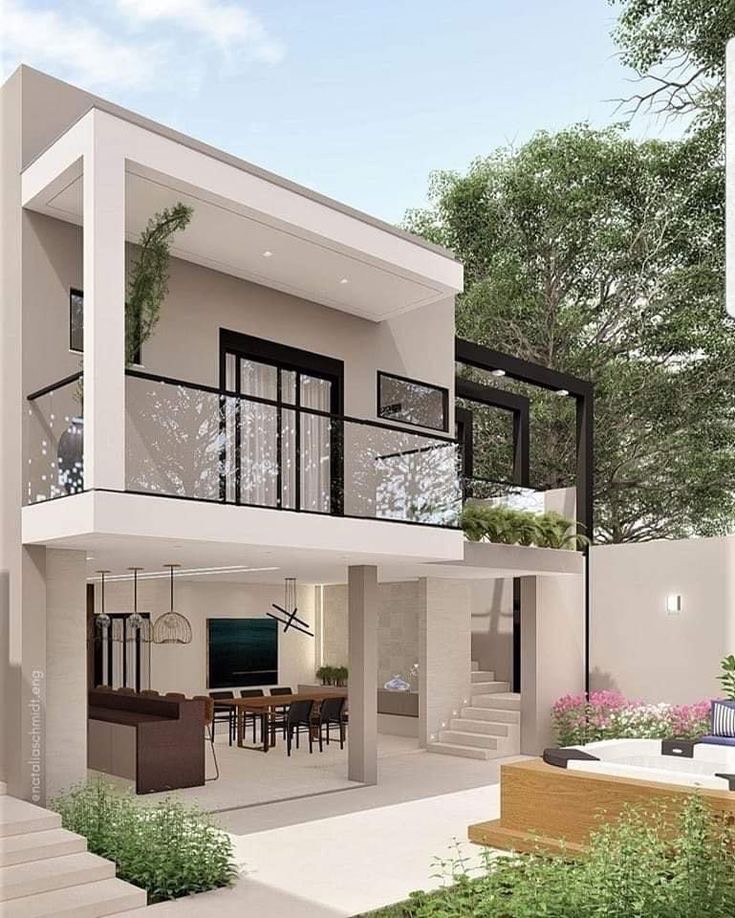
By Catcent Technology | Stone Symphony
The global housing crisis is no longer just a humanitarian concern — it’s an urgent design challenge. Across cities in the developing world, infrastructure is stretched, construction costs are rising, and space is scarce. At Catcent Technology, we believe the solution lies not just in building more, but in building smarter.
Our current student architecture competition is focused on modular micro-housing — an idea whose time has come. These small-footprint living units (typically 15–25 square meters) aren’t just affordable; they’re efficient, environmentally responsible, and rapidly deployable.
But beyond the numbers, modular micro-housing carries a philosophical shift. It challenges the assumption that bigger is better. It says that architecture can be humble and human-scaled — without compromising dignity, beauty, or livability.
By working with student designers and emerging firms, we’re exploring how modular housing can be:
- Scalable: easily repeated to create communities
- Resilient: suited for post-disaster and climate-challenged regions
- Adaptable: reconfigured for individual, family, or shared use
This design challenge is not just a contest — it’s the foundation for our material innovation lab, Megalith Lab, where ideas become prototypes, and blueprints become block systems.
By merging sustainable design thinking with accessible materials — like our upcoming cinder block line — Catcent aims to create a loop between vision and execution. And competitions like this are where the loop begins.
Modular design isn’t minimal design. It’s maximized thinking — design that does more with less, builds faster with fewer resources, and empowers more people to live well. And we’re excited to be part of shaping that future.
Whether you’re a student, a firm, or simply a design thinker with something to share — we invite you to help us rethink the block, one unit at a time.
 Catcent Technology